
Your Vision,
Our Focus
Comprehensive eye care for every generation, with advanced technology and four convenient locations
Need Contact Lenses? Easy online ordering with rebates and expert support
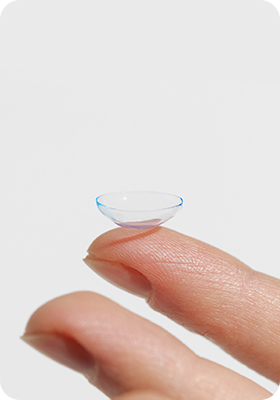
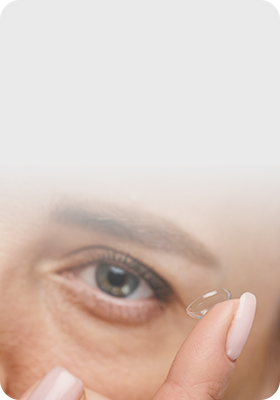
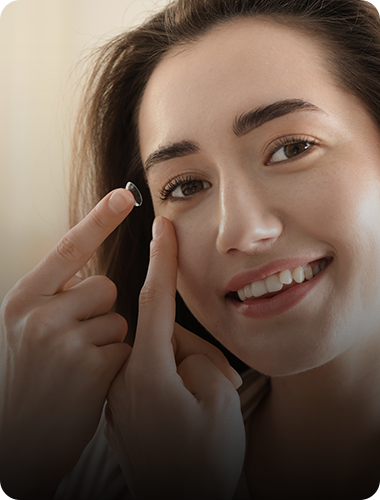
Already a contact lens wearer? Reorder online in minutes and we'll ship directly to you. Take advantage of manufacturer rebates, and if you ever need adjustments or have questions, our team is here to help. New to contacts? We'll find the perfect fit for your lifestyle with 60 days of free follow-up visits to ensure you're comfortable and confident.
Schedule Contact Lens Fitting
Insurance accepted
Manufacturer rebates available
Fast shipping directly to you
60 days free follow-up on fittings
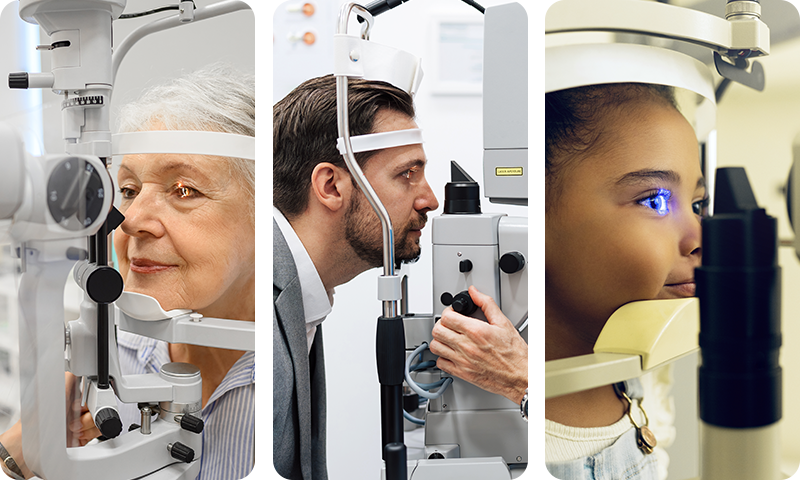
Three Generations of Trust For over 30 years, Fox Eye Care has been part of your family's story
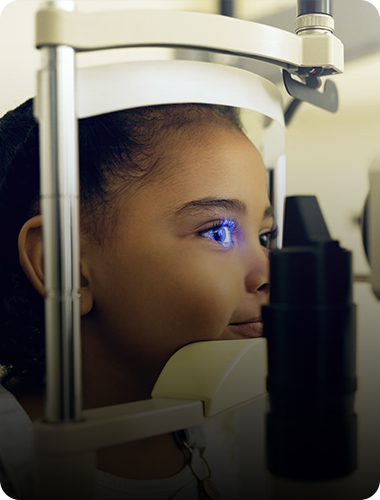
We've had the privilege of watching families grow through our doors. The child who came in nervous for their first eye exam is now bringing their own kids. The parent managing diabetes now brings their grandchildren for back-to-school checkups.
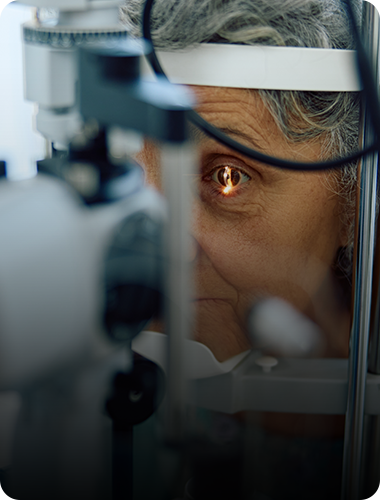
Whether you're here for your first vision screening, your annual diabetic eye exam, or to fit your teenager with contact lenses - you're continuing a legacy of care that spans generations. That's what it means to be a true community practice.

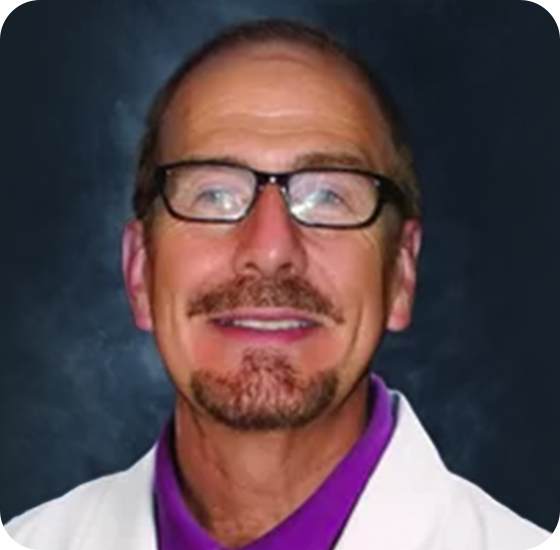
Meet Our Team Dr. William Fox
Beginning his career in Atlanta, Georgia, Dr. Fox worked in the Ophthalmology Department, under Dr. Joe Citron, at Crawford Long Hospital. He started Fox Eye Care Group, located next to Lenscrafters, in 1991 in Greensboro, NC. The practice has since grown to 5 locations throughout North Carolina and including Winston Salem.
Dr. Fox specializes in contact lens evaluations, diabetic eye exams, and overall family eye health evaluations. He is a 20+ year member of the American Optometric Association and the North Carolina Optometric Society.
Advanced Technology
You Won't Find Everywhere State-of-the-art OCT and Clarifye diagnostics for comprehensive care
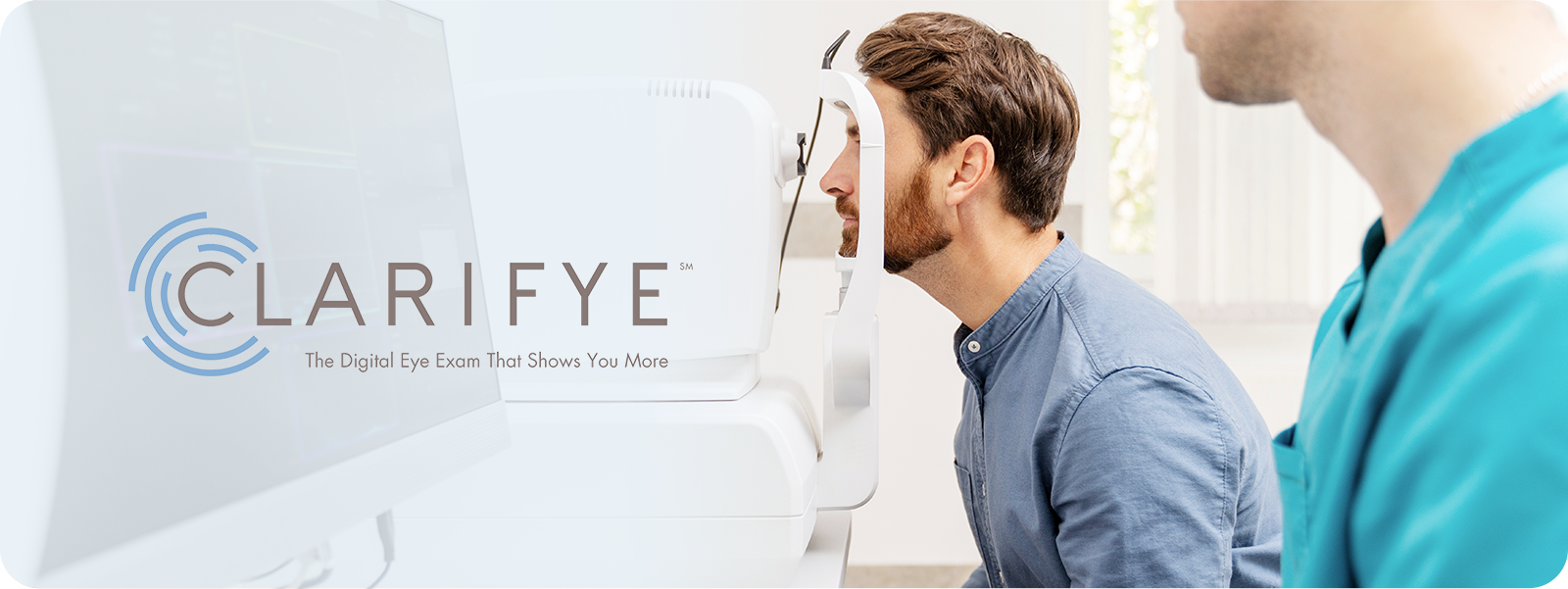
At Fox Eye Care, we invest in technology that makes a real difference. Our state-of-the-art OCT and Clarifye systems allow us to detect eye diseases and conditions years earlier than traditional methods.
This advanced diagnostic approach, combined with our team's decades of experience, means you get the most comprehensive eye care available - whether it's a routine exam, diabetic screening, or contact lens fitting.
What Our Clients Say Client Reviews
Visit Us Our Locations
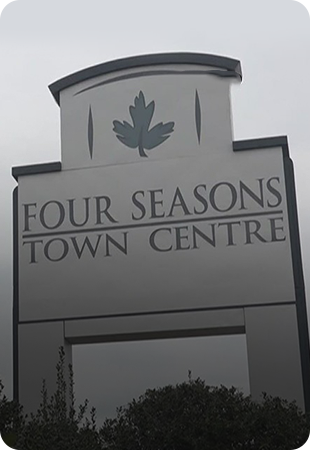
Four Seasons Town Center Greensboro
330 Four Seasons Town Center
Greensboro, NC 27407
(Located next to Lenscrafters)
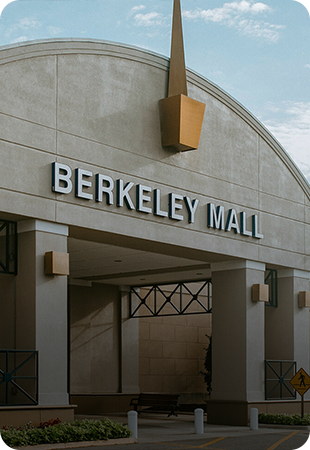
Berkeley Mall Goldsboro
611A N Berkeley Blvd, Berkeley Mall
Goldsboro, NC 27534
(Located next to Lenscrafters)
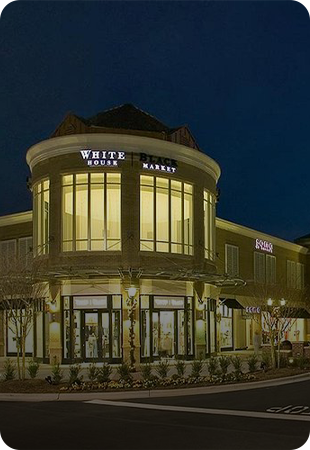
Friendly Shopping Center Greensboro
642 Friendly Center Road
Greensboro, NC 27408
(Located next to Lenscrafters)
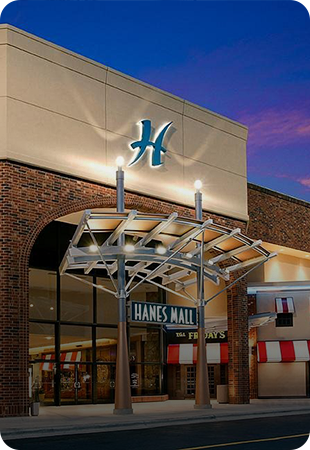
Hanes Mall Winston-Salem
3320 Silas Creek Pkwy, Suite Dl 404
Winston Salem, NC 27103
(Located next to Lenscrafters)
,
,
© 2026 Fox Eye Care Group. All Rights Reserved. Accessibility Statement - Privacy Policy - Sitemap

I have been coming to Fox Eye Care since 2018. Everyone from the front desk staff to the doctors are fantastic. They are professional, personable, knowledgeable, and kind. It really is one of the easiest doctor visits I go to each year. They are on time and appropriately quick with their appointments. I will continue to go here yearly.