

Save Your Sight: The Importance of Diabetic Eye Exams
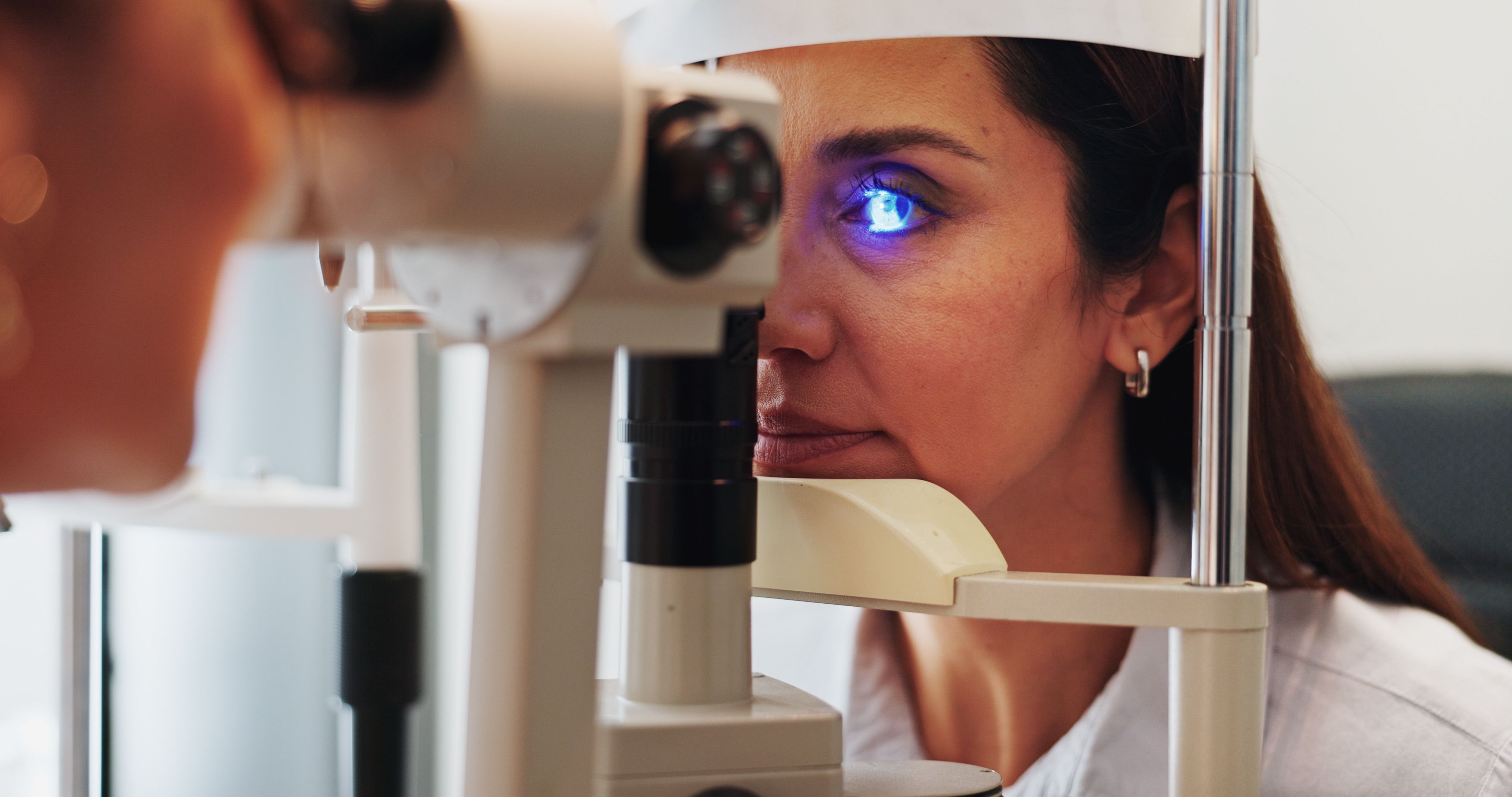
Managing diabetes involves more than monitoring blood sugar - it also means protecting your vision. Diabetes can quietly affect your eyes long before you notice any changes, making routine eye care essential. Regular diabetic eye exams play a critical role in detecting problems early and preserving healthy vision for the future.
How Diabetes Affects Your Vision
High blood sugar levels can damage the delicate blood vessels in the eyes over time. This damage may develop slowly and painlessly, which is why many people don’t realize there’s a problem until vision changes become noticeable. Unfortunately, by that point, permanent damage may already have occurred.
Diabetes can affect your eyes in several ways, from temporary blurry vision to serious, sight-threatening conditions. The good news is that many of these complications are preventable or manageable with routine eye exams and proper care.
Common Diabetic-Related Eye Conditions
People with diabetes are at a higher risk for several eye diseases, including:
• Diabetic Retinopathy: This is the most common diabetic eye condition and a leading cause of vision loss. It occurs when high blood sugar damages the blood vessels in the retina, causing them to leak or swell. In advanced stages, abnormal new blood vessels can grow and lead to severe vision loss.
• Cataracts: While cataracts can develop in anyone, people with diabetes are more likely to develop them earlier in life. Cataracts cause cloudy or blurred vision and may worsen more quickly in diabetic patients.
• Glaucoma: Diabetes nearly doubles the risk of glaucoma, a condition that damages the optic nerve and can lead to permanent vision loss if left untreated.
Why Regular Diabetic Eye Exams Are Essential
Diabetic eye exams are more than a routine vision check - they are essential for protecting long-term eye health. Many diabetic eye conditions develop without early symptoms, and a comprehensive dilated eye exam allows your eye doctor to detect subtle changes before vision is affected.
For those with existing diabetic eye disease, regular exams help monitor progression and guide timely treatment decisions. Using advanced diagnostic technology, today’s eye exams provide detailed views of retinal health for earlier and more accurate detection.
When caught early, most diabetic-related eye conditions can be effectively managed. With appropriate treatment and healthy lifestyle choices, regular diabetic eye exams play a key role in preventing vision loss and preserving sight.
How Often Should You Have a Diabetic Eye Exam?
Most people with diabetes should have a comprehensive dilated eye exam at least once a year. Your eye doctor may recommend more frequent visits depending on your eye health, blood sugar control, or if signs of diabetic eye disease are present.
Schedule Your Diabetic Eye Exam at Fox Eye Care Group Today
Diabetic eye exams play a vital role in preserving vision and maintaining independence and quality of life. Even if your vision seems fine, regular exams are essential for catching problems early - before they become irreversible.
Schedule a diabetic eye exam at Fox Eye Care Group and take an important step toward protecting your sight for years to come. Contact our offices in Goldsboro, Greensboro, or Winston Salem, North Carolina, by calling (919) 778-9662, (336) 854-1290, (336) 292-7700, or (336) 760-2169 to book an appointment today.



© 2026 Fox Eye Care Group. All Rights Reserved. Accessibility Statement - Privacy Policy - Sitemap
