

Why a Contact Lens Exam Is Different From a Regular Eye Exam

When it comes to protecting your vision, not all eye exams are the same. Many patients are surprised to learn that a contact lens exam involves more than a standard vision check. While a comprehensive eye exam evaluates your eye health and determines your glasses prescription, fitting contact lenses requires additional measurements and specialized testing to ensure comfort, clarity, and safety. Understanding the difference can help you make informed decisions about your eye care.
What Happens During a Routine Eye Exam?
A comprehensive eye exam focuses on two primary goals: evaluating your overall eye health and determining your prescription for glasses. These exams are designed to ensure that your eyes are functioning properly and that any vision changes are accurately addressed.
During a regular exam, your optometrist will check your visual acuity to see how clearly you can view objects at various distances. They will perform a refraction to determine your precise glasses prescription and examine the internal and external structures of your eyes for any signs of disease. Your doctor will also screen for conditions such as glaucoma, macular degeneration, and dry eye, while assessing how well your eyes work together and how effectively they focus.
Why Contact Lenses Require a Different Exam
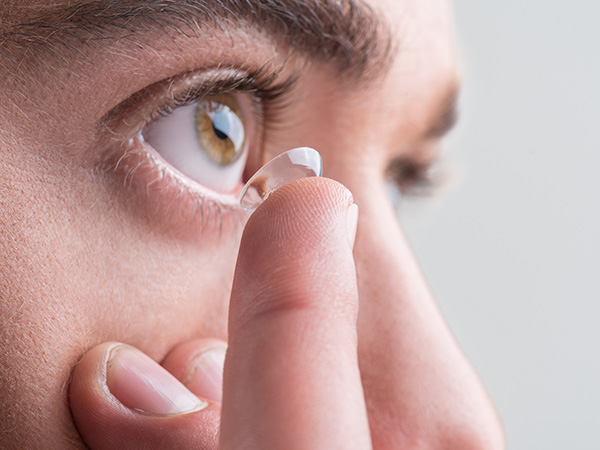
Contact lenses sit directly on the surface of your cornea. Because of this, the prescription and fitting process is more complex. A contact lens exam includes everything in a regular eye exam plus additional evaluations to determine:
- The exact curvature of your cornea
- The appropriate lens material
- Oxygen permeability needs
- Tear film quality
- Proper lens movement and positioning
- Comfort and fit on your eye
Even small differences in curvature can affect comfort and clarity. A lens that fits poorly can cause irritation, blurry vision, inflammation, or even corneal damage.
The Importance of Corneal Measurements
During a contact lens exam, your doctor measures the shape and curvature of your cornea. This helps determine the correct base curve and diameter of the lens.
Unlike glasses prescriptions, contact lens prescriptions include:
- Brand or lens type
- Base curve
- Diameter
- Power
- Replacement schedule
Contact lenses are medical devices regulated for safety.
Trial Lenses and Fit Evaluation
Another key difference is the fitting process. At Fox Eye Care Group, patients trying contact lenses will typically receive trial lenses. Once inserted, your doctor will evaluate:
- How the lens centers on your eye
- How it moves when you blink
- Whether it maintains proper moisture
- Your comfort level
You may wear trial lenses for a short period before finalizing your prescription. Adjustments are sometimes needed to optimize clarity or comfort.
Upgrade Your Vision with Expert Contact Lens Fitting
A regular eye exam ensures your eyes are healthy and your vision is clear. A contact lens exam goes a step further by customizing a medical device that sits directly on your eye. The additional measurements, fittings, and evaluations are essential for comfort, clarity, and safety.
If you’re considering contact lenses, schedule a contact lens exam at Fox Eye Care Group to find the right fit for your lifestyle and your eyes. Contact our offices in Goldsboro, Greensboro, or Winston Salem, North Carolina, by calling (919) 778-9662, (336) 854-1290, (336) 292-7700, or (336) 760-2169 to book an appointment today.


© 2026 Fox Eye Care Group. All Rights Reserved. Accessibility Statement - Privacy Policy - Sitemap
